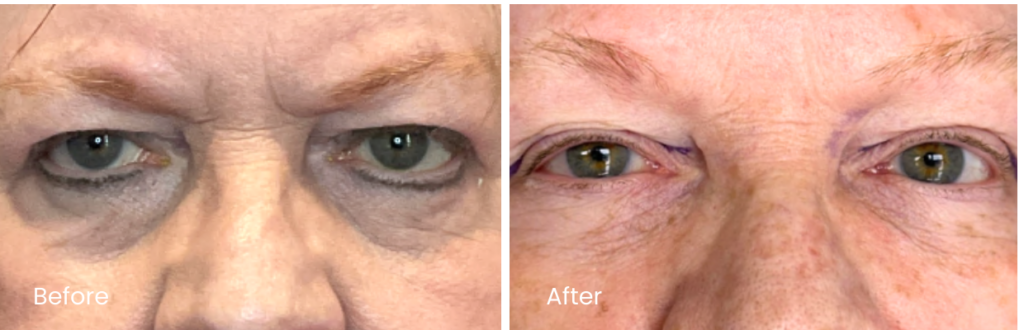
Ptosis
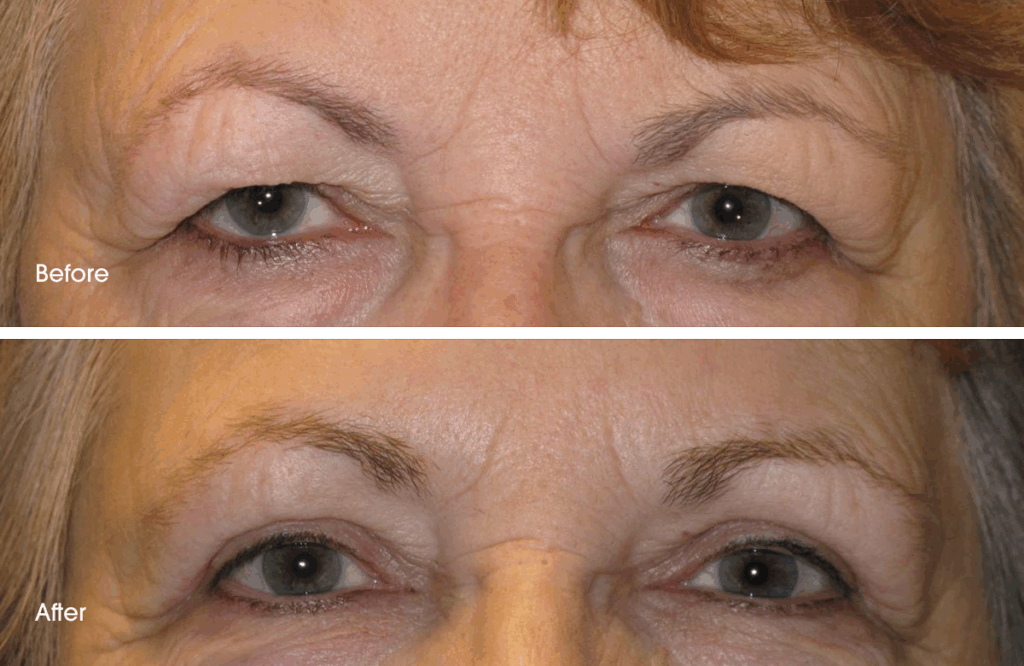
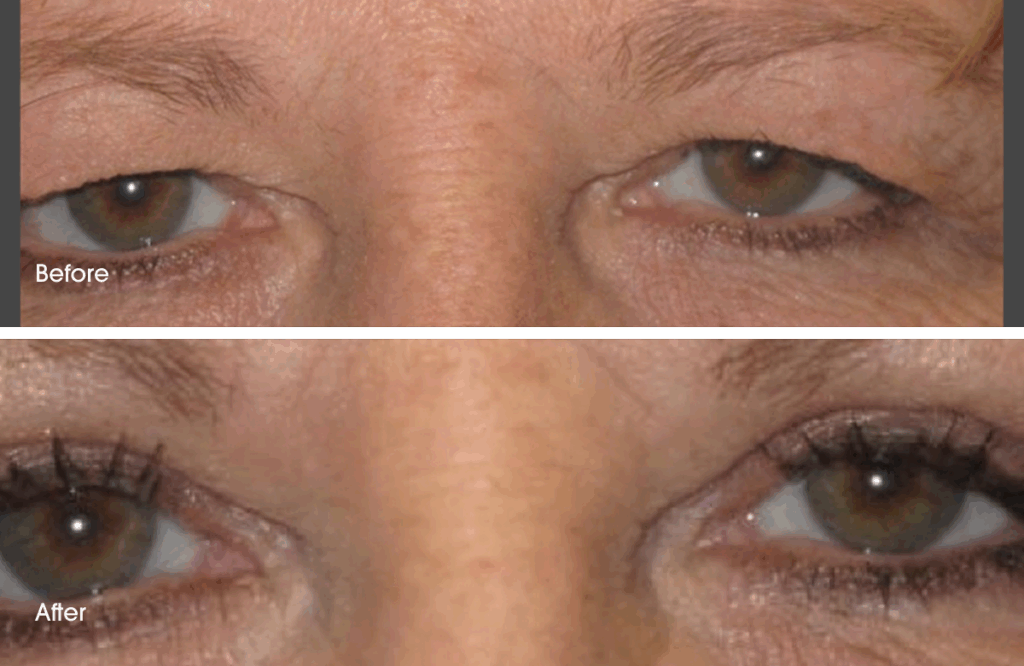
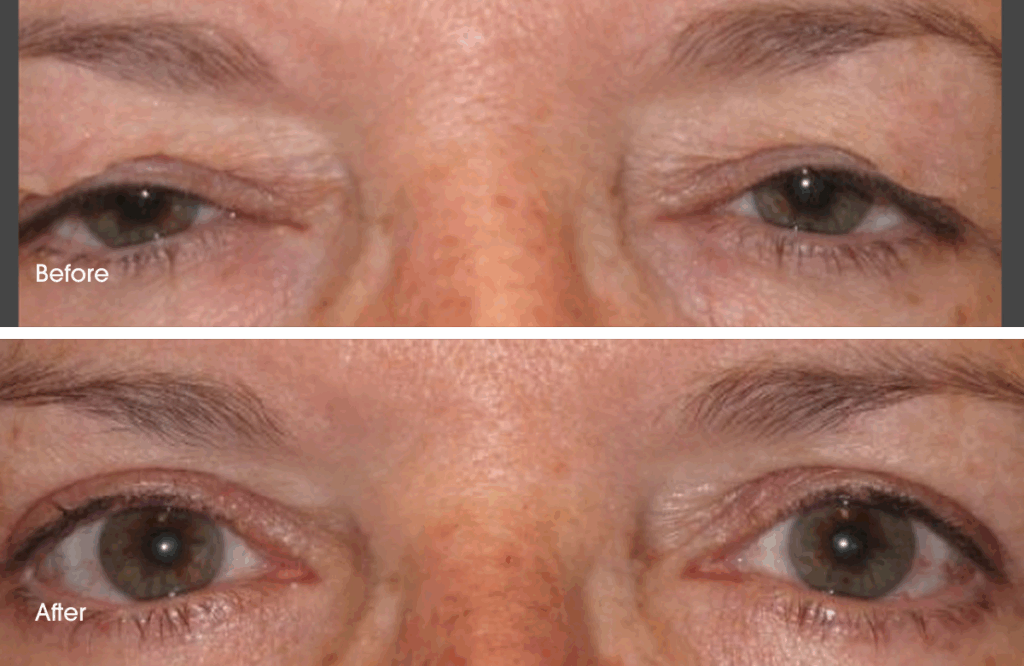
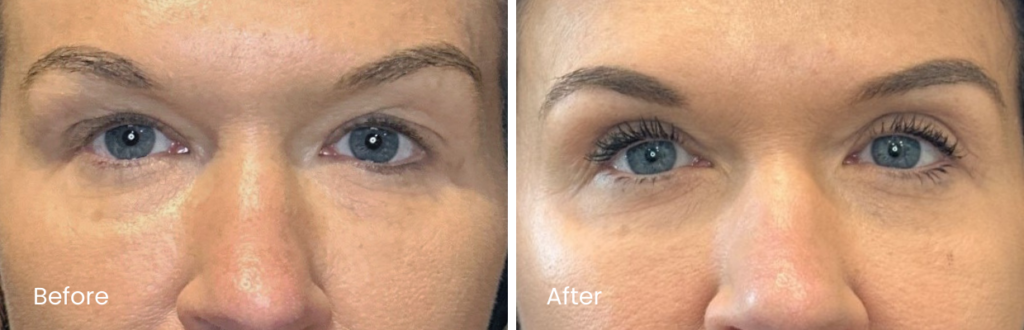
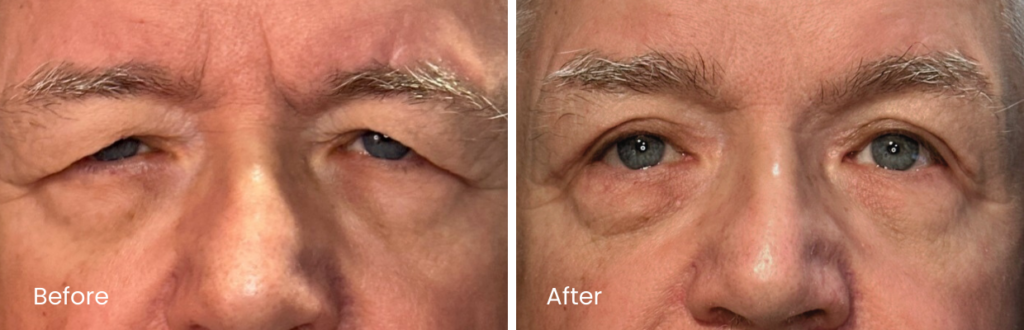
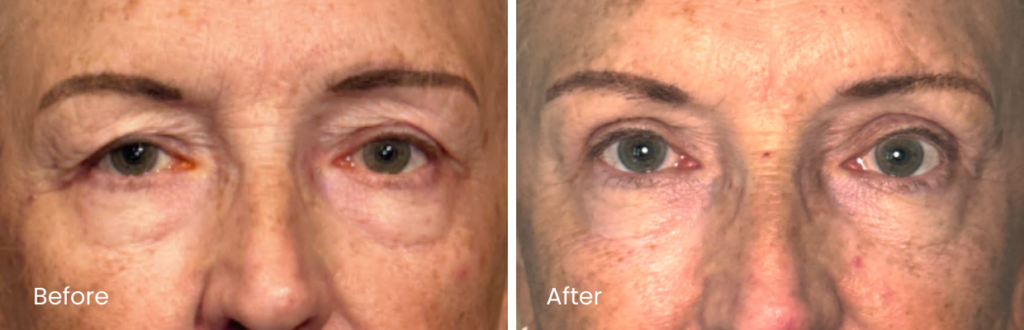
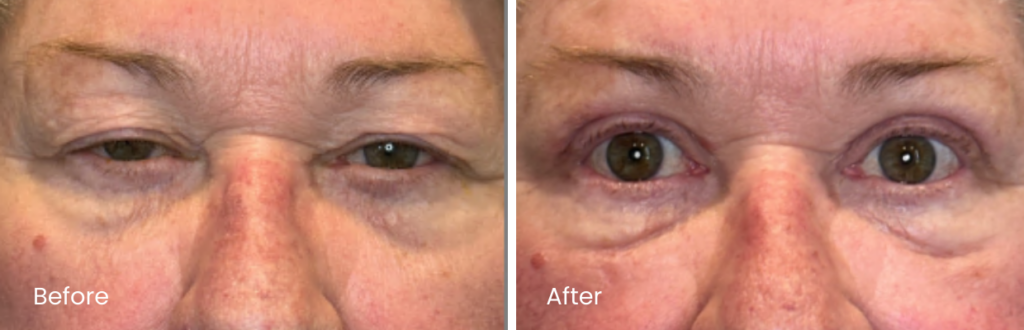
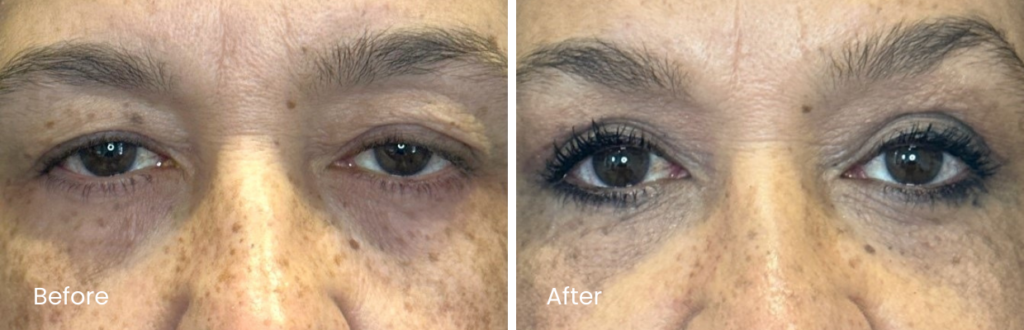
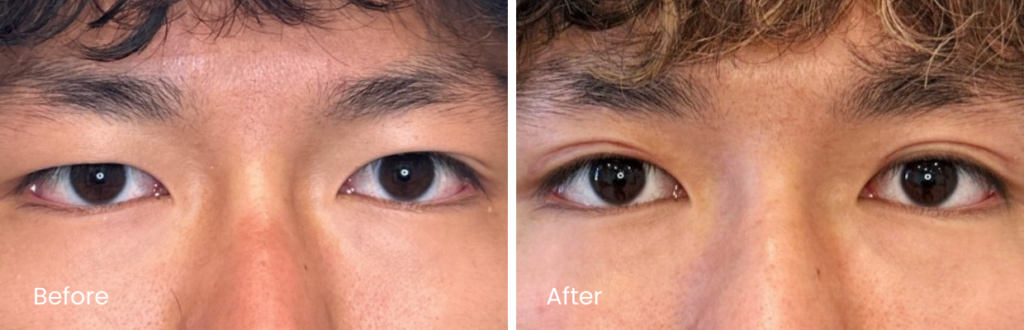
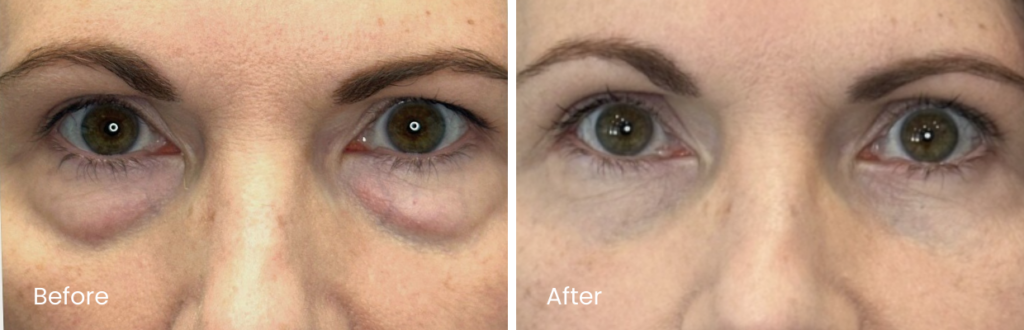
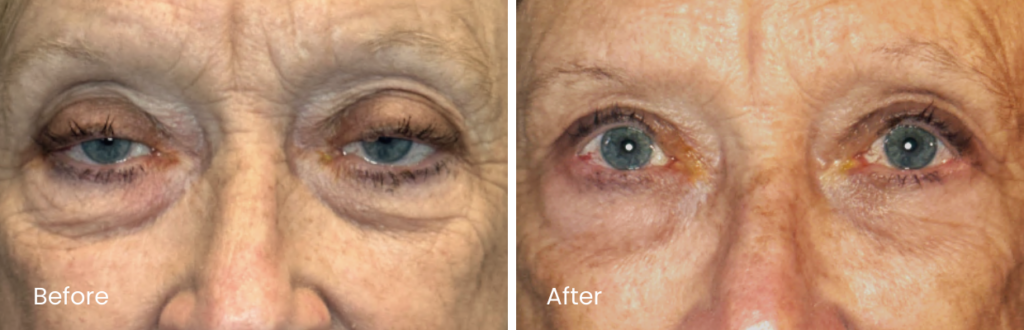
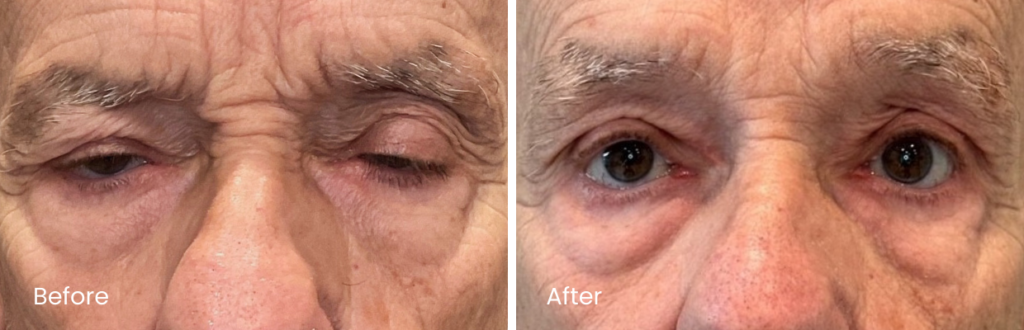
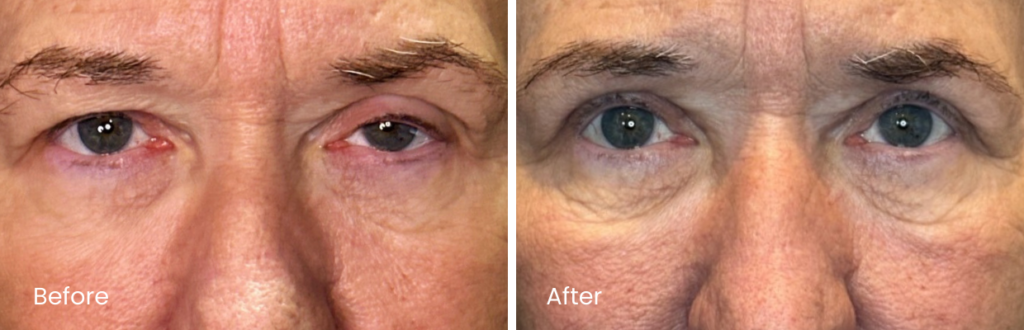
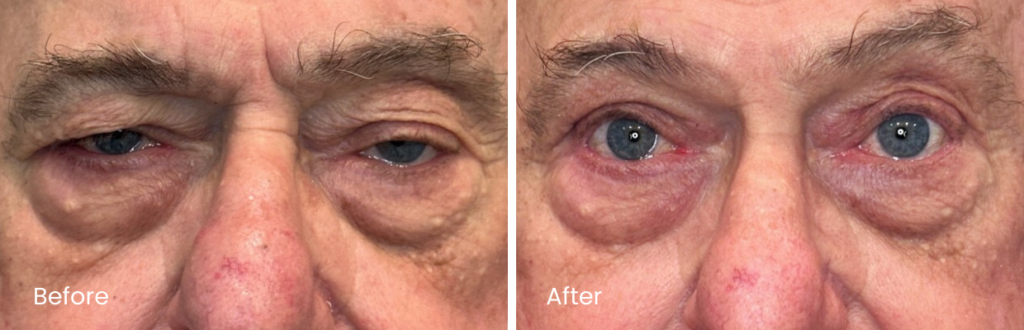
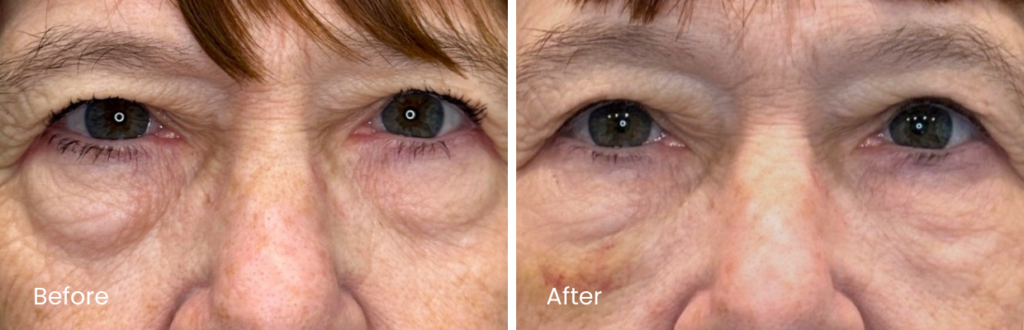
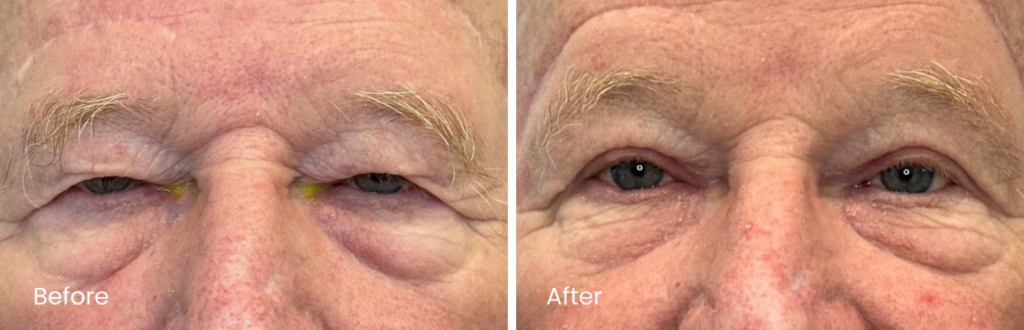
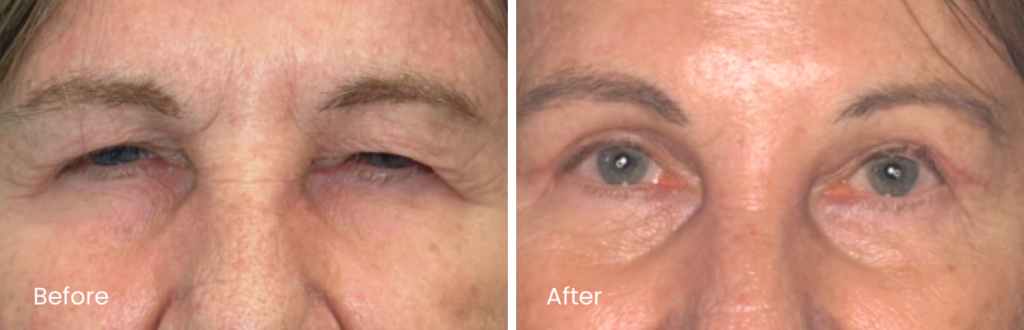
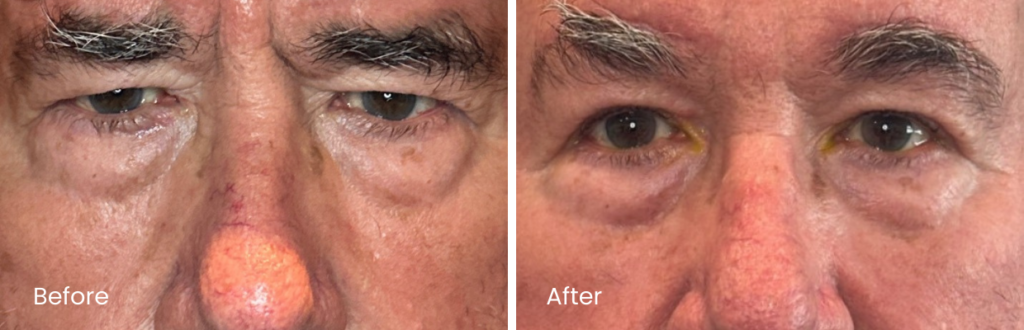
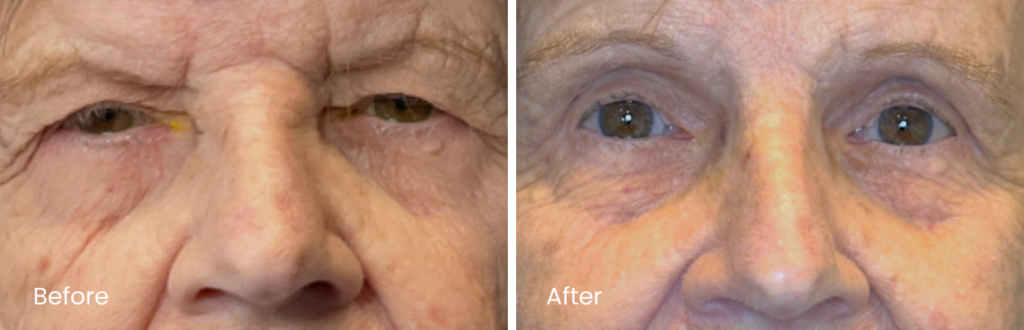
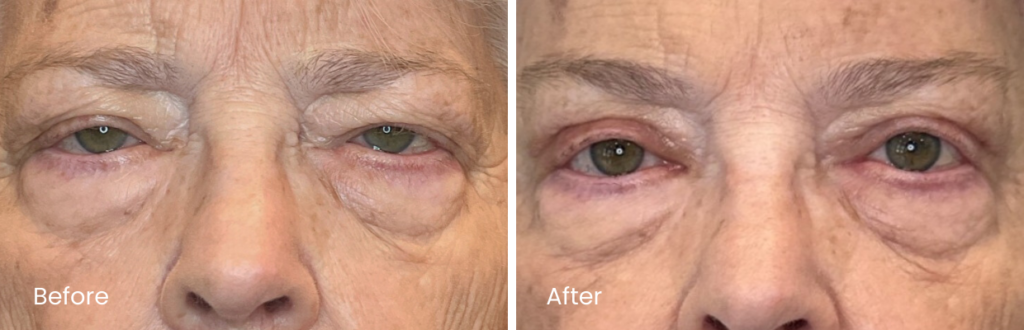
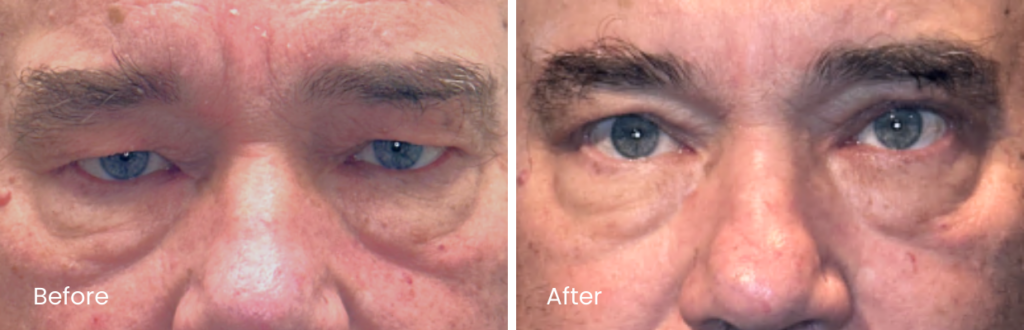
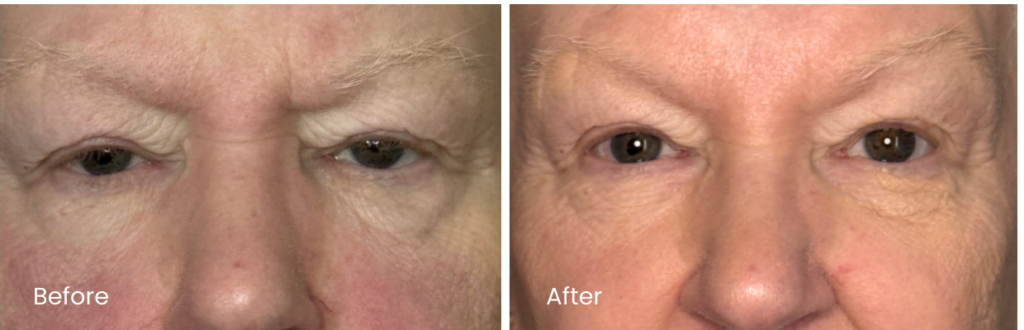
Blepharoptosis, or more simply “ptosis,” is the drooping or sagging of the upper eyelid, which may cause feelings of eye heaviness or eye fatigue. If this drooping becomes severe enough to cover some or all the pupil, it may reduce visual clarity or peripheral vision. Several causes of eyelid ptosis include sagging brows (brow ptosis), excess eyelid skin (dermatochalasis), or stretched/weak eyelid muscles. This can commonly affect both the appearance and the function of the eyes. Fortunately, surgical corrections are available to restore the eyelid back into its natural position, improving both your vision and your appearance.
Entropion and Trichiasis
Trichiasis is the condition where the eyelashes touch or rub the eye. It can occur on its own, or in conjunction with entropion, which is the inward turning of the eyelid and lashes. Trichiasis without entropion is treated with therapies targeted to eliminate misdirected eyelashes, while striving to preserve your normal lashes. By contrast, if entropion is present, surgery focuses instead on normalizing the eyelid position which will then correct the in-turned lashes.
Ectropion
Ectropion is a condition where the eyelid turns outward and no longer makes proper contact with the eye. This can cause chronic redness and irritation of the eye, along with excess tearing or watery eyes. When severe, it may also reduce vision. Ectropion can be corrected with oculoplastic surgery, returning the eyelid to its normal position and relieving these symptoms.
Lacrimal Disorders
Lacrimal duct disorders, or diseases of the tear drainage system, can have a range of causes, but the result is the same – the tears don’t drain properly, causing excess tearing (epiphora) or watery eyes. By correcting the drainage system abnormality, the surgeon can reduce the tearing and make you more comfortable. Less commonly, the lacrimal glands, which produce tears, can be affected by infectious, autoimmune, inflammatory, or malignant causes that may be the first sign of an undiscovered systemic disease. Treatment is focused on diagnosing the underlying cause and prescribing or referring patients to the appropriate specialist.
Thyroid Eye Disease
Thyroid eye disease, also known as Graves’ eye disease, is an immune condition that affects the thyroid gland, causing it to produce too much thyroid hormone. In addition to effects on your whole body’s metabolism, it can lead to pressure or pain around the eyes, dryness, and decreased vision due to retracted eyelids and/or bulging eyes that may not allow your eyes to close completely. Patients may experience double vision from abnormal enlargement of the muscles that move the eyes, or even vision loss when those muscles compress the optic nerve that transmits vision to the brain. Our oculoplastic surgeons are trained to treat the symptoms of Graves’ disease and will work with your other healthcare professionals to provide the care you need.
Skin Cancer
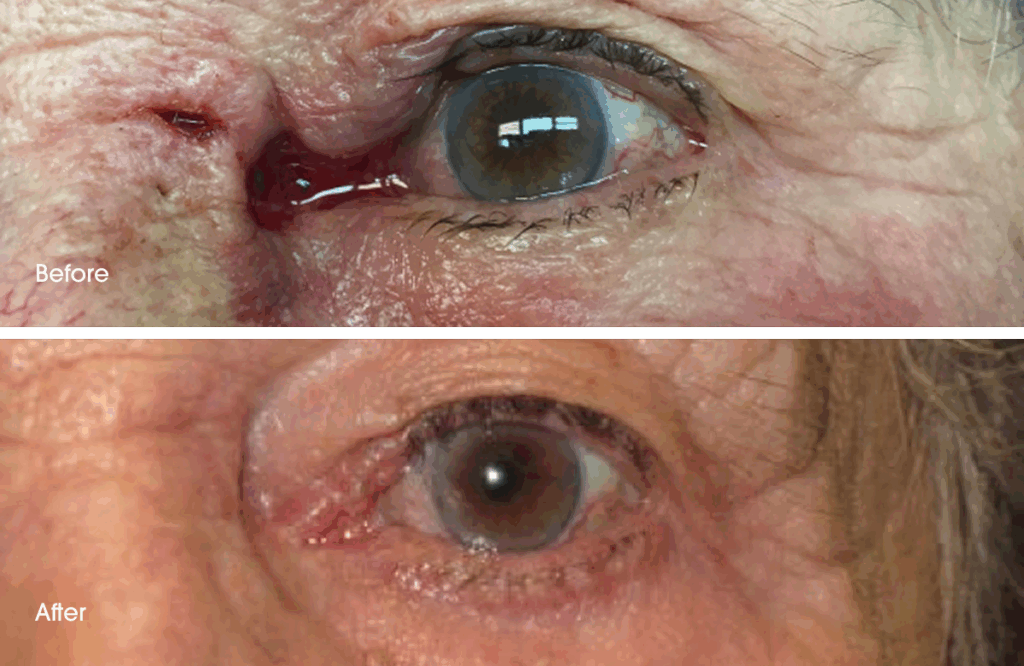
Skin cancer is most commonly a cumulative effect of UV rays and sun exposure on unprotected skin. Skin cancers are treated by dermatologists specializing in Mohs surgery. In a staged manner, they are able fully remove the cancerous tissue with a margin of healthy tissue around it, while striving to maximize preservation of your normal facial skin. When skin cancer involves the eyelids or other areas around your eyes, an oculoplastic surgeon is often the best choice to reconstruct the skin around the eye.
Orbital and Eyelid Trauma
Many things can cause damage to the bony orbit and eyelids, from sports injuries to falls to motor vehicle accidents. Our oculoplastic surgeons are skilled at managing and treating both the immediate injuries caused by the trauma, or the later stage consequences of traumatic scarring on the eyelid or orbital structures, with the goal to most closely restore your function and appearance.